

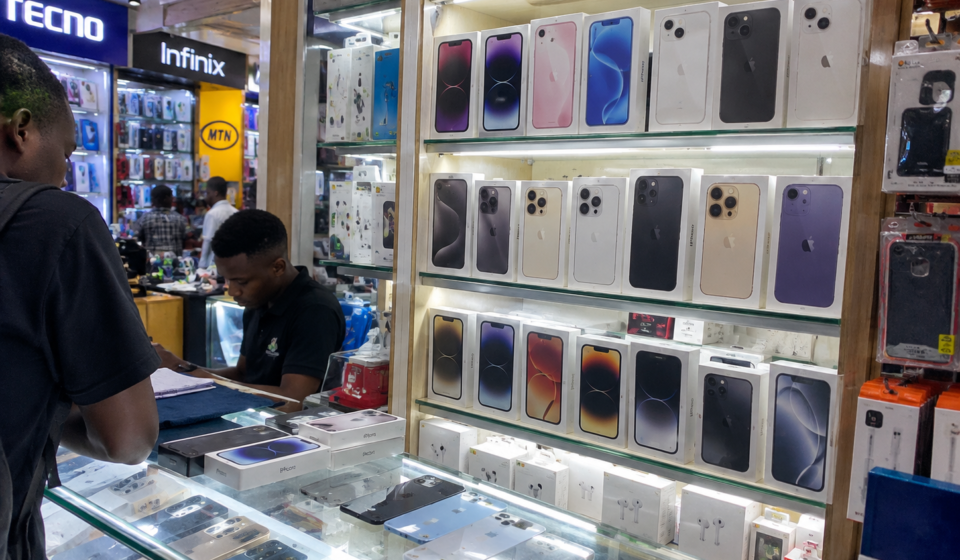

A debate has been playing out among Ugandan phone buyers online: are the iPhone 18 units currently being sold in the country genuine, or are dealers passing off fakes as the real thing? Some sellers have pushed back publicly, but skepticism hasn’t gone away and a separate argument has emerged questioning whether the iPhone 18 is even worth the hype in the first place.
Where the Doubt Started
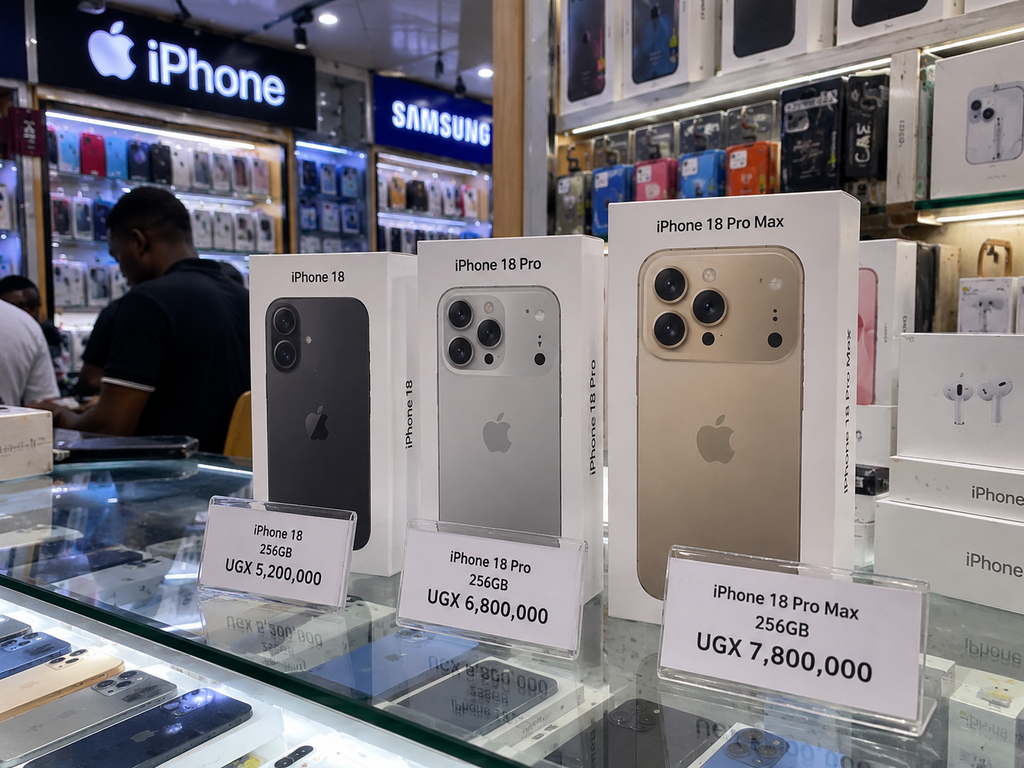
As with every new iPhone release, the months right after launch are the riskiest time to buy genuine stock is limited, prices are high, and that gap is exactly where counterfeit and reboxed devices tend to flood in. Some Ugandan buyers and commentators online have argued that the iPhone 18 units currently changing hands in local markets can’t possibly be genuine yet, pointing to the usual pattern where authentic new-generation stock takes time to reach markets outside Apple’s first-tier launch countries.
Phone sellers in Kampala have pushed back on that claim, with some publicly demonstrating their stock showing serial numbers, IMEI checks, and sealed packaging to prove the devices they’re selling are authentic. Even so, a portion of buyers online remain unconvinced, arguing that without an official Apple Store presence in Uganda, there’s no way to be fully sure what’s landing in local shops.
This Isn’t a New Problem in Uganda’s Phone Market
The suspicion isn’t coming out of nowhere. Uganda has a documented counterfeit phone problem: a Uganda Communications Commission (UCC) survey covering 2022 to 2025 found that roughly a third of Ugandans who were surveyed were using phones with duplicated or unrecognized IMEI numbers devices that are effectively counterfeit or “ghost” phones on the network. iPhones were among the brands flagged in that same survey, alongside Tecno, Samsung, and itel.
That history is part of why any new flagship release iPhone 18 included triggers this same cycle of suspicion: buyers have been burned before, or know someone who has, so a wave of “is this real?” questions is now the default reaction rather than the exception.
It’s also a global pattern right now, not just a Ugandan one. Around every new iPhone launch, fraudsters ramp up fake shopping websites and phishing pages designed to look like authorised retailers, using real product photos and pricing to look convincing. Reports from markets as far apart as the UAE and East Africa describe buyers who received sealed-looking boxes that turned out to contain stones, Android clones running skinned software, or units with IMEIs already registered to someone else’s account. None of that is unique to Uganda it’s the standard playbook counterfeiters use whenever a new flagship drops.
The Other Argument: “It’s a Scam Because It’s the Same as the 17”
A second, separate complaint has surfaced alongside the authenticity debate: some Ugandans online have concluded that the iPhone 18 itself is “a scam” because, in their view, it looks and performs too similarly to the iPhone 17 to justify the price tag or the hype.
This is a fair consumer complaint, but it’s worth separating from the fakes issue. Apple’s recent release cycles have generally followed a pattern where the standard model gets incremental, sometimes subtle, upgrades refined chips, camera tweaks, small design changes while the more dramatic changes tend to land on the Pro-tier models. That pattern isn’t unique to this generation, and it isn’t evidence of fraud; it’s simply how Apple has structured its release cadence in recent years. Whether that’s worth the money is a legitimate value judgment for buyers to make but it’s a different question from whether a specific unit sitting on a shop shelf in Kampala is a genuine Apple product.
How Ugandan Buyers Can Actually Verify a Phone
Regardless of which iPhone generation is in question, the same practical checks apply:
- Dial *197# this is the USSD code UCC has promoted specifically to help Ugandans check whether a phone’s IMEI is registered and legitimate.
- Check Settings > General > About a genuine iPhone will show a proper iOS version number; if Siri doesn’t respond and Google Assistant launches instead, it’s not a real iPhone.
- Match the serial number on the box to the one inside the phone’s settings.
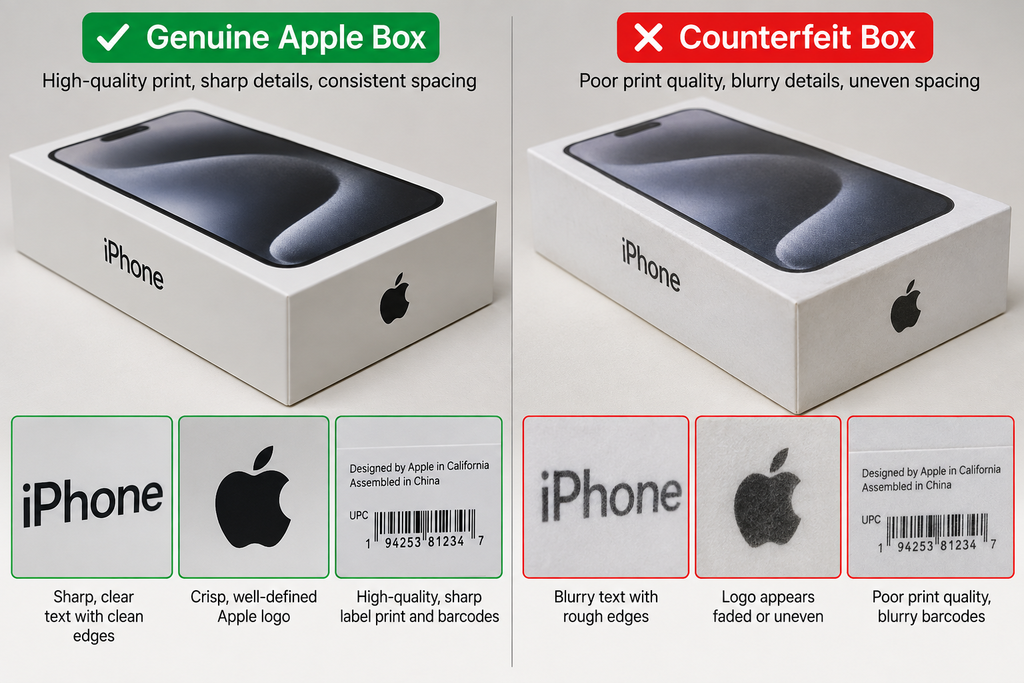
- Inspect the build a removable back cover, a micro-USB port, or a loose SIM tray are all signs of a counterfeit, since genuine iPhones are sealed units.
- Buy from an authorised reseller where possible, and be wary of deals that are priced well below the going market rate for a device that’s still new.
The Bottom Line
The honest answer sits between the two extremes being argued online. It’s entirely plausible that some sellers in Uganda are genuinely stocking authentic iPhone 18 units, verified through serial numbers and official channels and it’s just as plausible that, given the country’s documented counterfeit phone problem, some units being sold as “iPhone 18” are not what they claim to be. The way to resolve that for yourself isn’t a social media argument it’s checking the IMEI, inspecting the unit, and buying from a seller who’s willing to let you verify it before you pay.
As for whether the iPhone 18 is “worth it” compared to the 17 that’s a separate, legitimate debate about value for money, and one every buyer is entitled to have on their own terms.