



In today’s digital world, emojis are everywhere. People use them in texts, social media posts, and online chats to express emotions quickly and creatively. But cybersecurity experts are now warning that hackers and cybercriminals are also using emojis not for fun, but as a secret communication tool.
Threat intelligence researchers have discovered that emojis are becoming part of the operational language used in cybercrime communities. From Telegram groups to Discord servers and hidden forums, cybercriminals are using symbols and visual shorthand to organize attacks, share stolen data, and avoid detection from security systems.
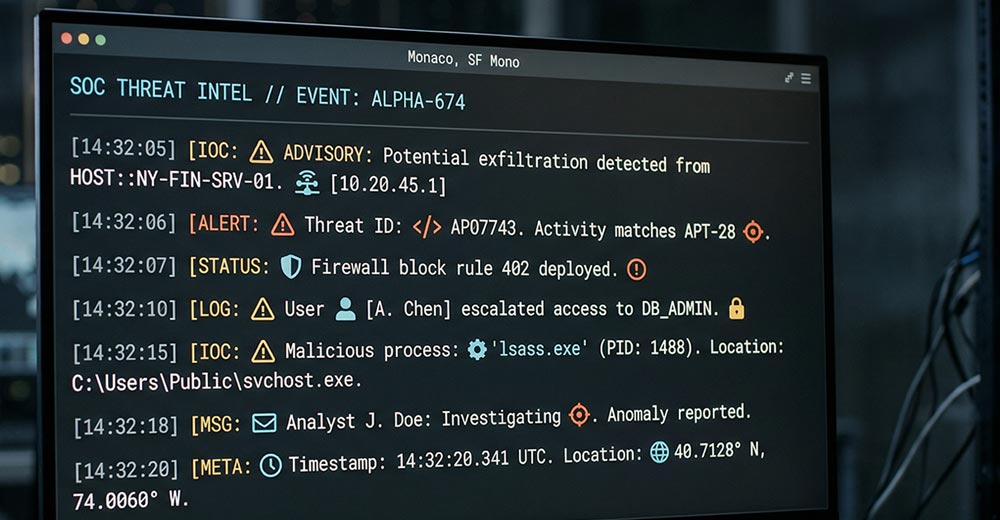
The Rise of Emoji-Based Cyber Communication
Modern cybercriminal networks no longer rely only on traditional dark web forums. Many have shifted to fast-moving communication platforms like Telegram and Discord because they offer:
- Faster communication
- Large communities
- Better anonymity
- Minimal moderation
- Encrypted messaging
These platforms allow hackers to coordinate activities in real time. Since many threat actors come from different countries and speak different languages, emojis have become a universal way to communicate quickly and efficiently.
Instead of writing detailed text, attackers can simply use symbols to represent actions, targets, or intentions.
For example:
- 🔑 may represent stolen credentials or system access
- 💰 could signal payments or successful scams
- 🔥 may indicate stolen files or data leaks
- ☠️ can symbolize shutting down systems or malware execution
- 🇺🇸 🇬🇧 🇫🇷 flags might identify target countries
To outsiders, these look harmless. But inside cybercrime communities, they often carry very specific meanings.
Why Hackers Use Emojis
1. To Avoid Detection
Most cybersecurity monitoring systems rely heavily on keyword scanning and text analysis. By replacing sensitive words with emojis, hackers can bypass many automated detection tools.
Instead of writing:
“Selling stolen bank credentials”
A threat actor might post:
💳🔑💰
Traditional filters may fail to recognize this as suspicious activity.
This tactic is similar to how internet users sometimes replace sensitive words with alternative spellings or symbols on social media platforms to avoid moderation.
2. Faster Communication
Emojis allow cybercriminals to communicate ideas instantly without long explanations. A single icon can summarize an entire operation or status update.
This becomes especially useful in large Telegram channels with thousands of messages flowing every day.
3. Cross-Language Communication
Cybercrime is global. Threat actors from different countries often work together. Emojis create a universal visual language that reduces communication barriers.
4. Building Community and Identity
Just like online communities develop slang and memes, cybercriminal groups create their own “emoji dialects.” Over time, these patterns become recognizable signatures tied to certain groups or operations.
Security researchers are now studying these patterns to identify and track cybercriminal behavior.
Emojis Used as Actual Commands
In some advanced cyberattack campaigns, emojis have gone beyond casual shorthand and have been used as literal machine commands.
One reported campaign used emojis to trigger malware actions such as:
- 📸 capturing screenshots
- 🔥 exfiltrating files
- ☠️ terminating processes
This demonstrates how cybercriminals are continuously finding creative ways to evade traditional security defenses.
The Challenge for Cybersecurity Teams
Detecting emoji-based communication is difficult because emojis are highly contextual. The same symbol can mean completely different things depending on the conversation or group.
For example:
- 🔑 in a normal chat may mean someone forgot their house keys
- 🔑 in a cybercrime forum could refer to stolen login credentials
Chains of emojis make interpretation even harder. A sequence of symbols may represent complex operations that outsiders cannot easily understand.
This ambiguity creates challenges not only for cybersecurity companies but also for law enforcement agencies trying to prove criminal intent.
The Future of Cyber Threat Communication
Experts believe emojis are no longer just internet decoration they are becoming part of the operational language of modern cybercrime.
As cybercriminal networks evolve, defenders will need more advanced behavioral analysis systems that can understand context instead of relying only on keyword detection.
Security teams are increasingly focusing on:
- Behavioral monitoring
- Pattern recognition
- Threat intelligence analysis
- Context-aware AI systems
Because even if hackers change usernames or platforms, their communication behaviors often remain consistent.
So
The use of emojis in cybercrime highlights how rapidly online threats continue to evolve. Something as simple and harmless-looking as an emoji can now carry hidden meanings related to hacking, fraud, malware, and stolen data.
For businesses, cybersecurity professionals, and everyday internet users, this serves as an important reminder:
Cyber threats do not always look obvious.
As communication methods evolve, cybersecurity defenses must evolve too. Understanding how attackers adapt even through symbols and emojis is now part of staying secure in the digital age.
####
Cybersecurity, Hacking, Emojis, Telegram, Discord, Malware, Threat Intelligence, Online Security, Cybercrime, Data Protection