



Search gets people to find you once. Email is what keeps them coming back. It’s one of the highest-return marketing channels available for every dollar spent, email marketing typically returns far more than social media or paid ads yet a lot of small businesses either skip it entirely or send emails so rarely that people forget they signed up. Here’s how to actually build a list and use it well.
1. Start Collecting Emails Everywhere
You can’t email people you don’t have. Build collection points into places customers already are:
- A signup box on your website (not buried in the footer, put it somewhere visible)
- A QR code at checkout or on receipts
- A simple “join our list” prompt on your Google Business Profile or social bios
- An incentive: a discount code, a free guide, or early access to sales
Always be upfront about what they’re signing up for and how often you’ll email them, it reduces unsubscribes later.
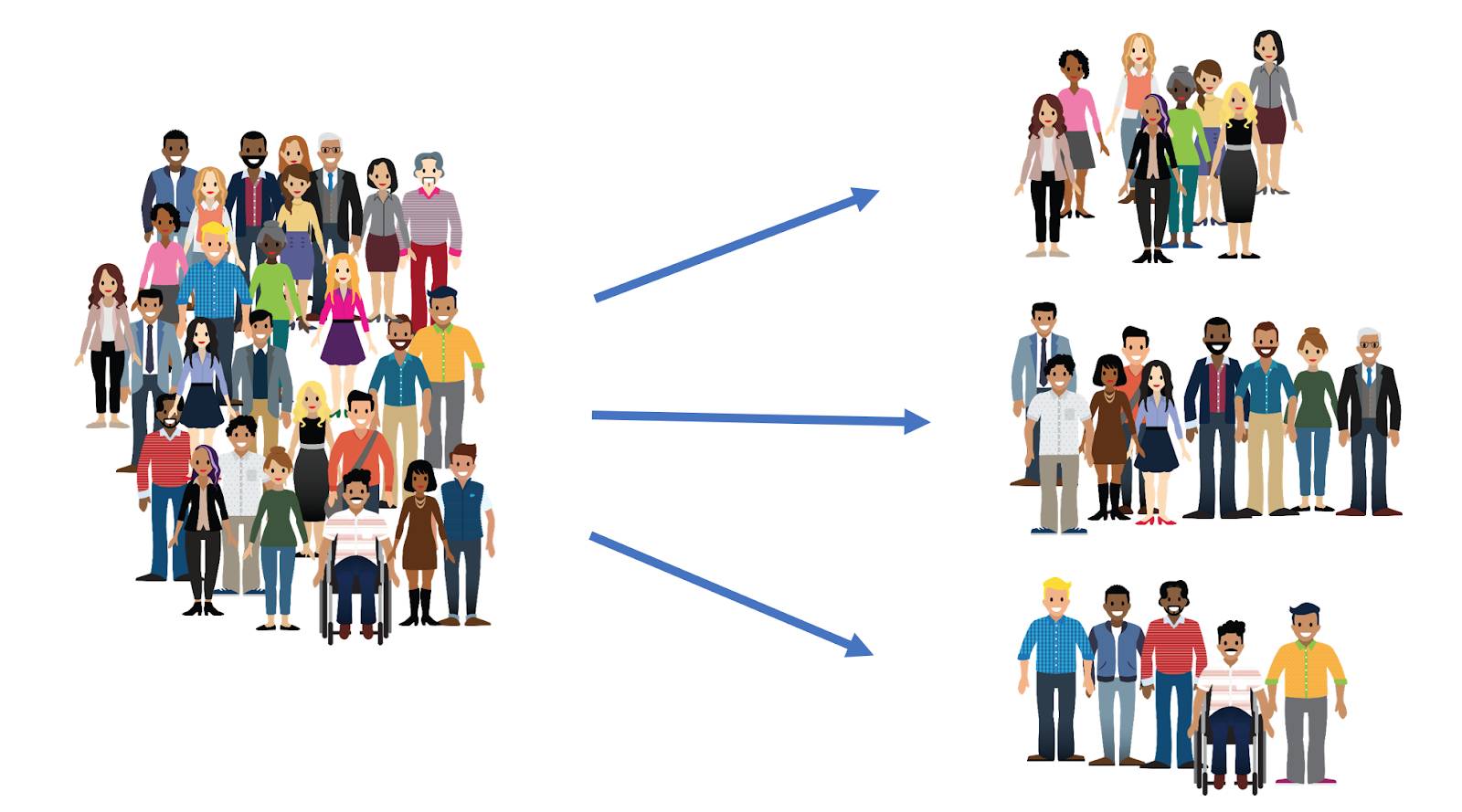
2. Segment Your List Instead of Blasting Everyone
Not every subscriber wants the same email. A first-time buyer, a repeat customer, and someone who signed up but never purchased all respond differently. Basic segments worth setting up:
- New subscribers send a welcome sequence, not just one email
- Past customers reminders, restock alerts, loyalty offers
- Inactive subscribers a re-engagement email before you remove them from your list
Most email platforms (Mailchimp, Klaviyo, Brevo) let you automate this with tags and triggers, so it runs without manual work once it’s set up.
3. Write Subject Lines Like a Human, Not a Marketer
Subject lines decide whether your email gets opened at all. A few things that consistently work:
- Keep it short under 50 characters shows fully on most phones
- Be specific rather than vague (“20% off your next order” beats “Big news!”)
- Avoid spam-trigger words like “FREE,” “ACT NOW,” or excessive punctuation, which can land you in spam folders
- Test two versions if your platform supports A/B testing small wording changes can shift open rates significantly
4. Keep the Email Itself Simple
- One clear goal per email don’t cram five offers into one send
- A single obvious call-to-action button
- Mobile-friendly formatting (most emails are opened on phones first)
- A real reply-to address it builds trust and lets people respond
5. Send Consistently, Not Randomly
A monthly newsletter beats sporadic bursts of five emails in one week followed by silence. Consistency keeps you top of mind without training people to expect spam. Pick a cadence you can actually sustain weekly, biweekly, or monthly and stick to it.
6. Track the Numbers That Matter
- Open rate tells you if your subject lines are working
- Click-through rate tells you if your content and offers are landing
- Unsubscribe rate a spike usually means you’re emailing too often or the content doesn’t match expectations
Most platforms show these automatically check them monthly and adjust rather than guessing.
Quick recap:
- Build your list from every touchpoint you have
- Segment instead of one-size-fits-all sends
- Write subject lines that feel human
- Keep each email focused on one goal
- Send on a consistent schedule
- Review your metrics and adjust