


If your business isn’t showing up when people search for what you do, you’re invisible to a huge number of potential customers. Most people don’t scroll past the first page of Google and a lot of them never scroll past the map and the first three results. The good news: getting found on Google isn’t magic. It comes down to a handful of things done well and kept up over time.
Here’s a practical breakdown of what actually moves the needle.
1. Claim and Optimize Your Google Business Profile
This is the single highest-impact thing a local business can do. Your Google Business Profile (formerly Google My Business) is what shows up in the “map pack” that box with three business listings, a map, and star ratings that appears above the regular search results for local searches like “plumber near me” or “coffee shop downtown.”
To get the most out of it:
- Claim and verify your listing if you haven’t already.
- Fill out every section hours, phone number, website, service area, business category, and attributes (wheelchair accessible, free Wi-Fi, etc.).
- Add real photos regularly of your storefront, team, and work. Listings with photos get significantly more clicks and direction requests.
- Post updates offers, events, new products the way you would on social media.
- Collect and respond to reviews. Review count and recency are ranking factors, and responses show you’re active and engaged.
Google Business Profile is also directly tied to Google Maps, so a strong profile means you show up when someone’s driving around looking for exactly what you sell.

2. Build a Website That’s Actually Optimized for Search
Your Google Business Profile gets people in the door, but your website is what convinces them to stay and it’s a major ranking factor in its own right. A few essentials:
- Speed and mobile-friendliness. Over half of searches happen on mobile, and Google penalizes slow-loading sites in rankings.
- Clear, keyword-relevant page titles and headings. If you’re a “bakery in Kampala,” that phrase (or close variants) should actually appear on your site not just in your head.
- Location pages if you serve specific areas, so you show up for “[service] in [neighborhood]” searches.
- SSL/HTTPS security Google treats unsecured sites as a red flag.
- Fresh content. A blog, FAQ page, or regularly updated service pages signal to Google that your site is active and relevant.
- Internal linking and a clean site structure so both users and Google’s crawlers can easily find everything.
Think of your website as the foundation everything else (ads, social, reviews) works better when it’s pointing people toward a site that’s fast, clear, and easy to navigate.
3. Get Listed Consistently Across the Web
Google cross-checks your business information against other sites directories like Yelp, TripAdvisor, industry-specific listings, and local chambers of commerce. When your name, address, and phone number (NAP) match exactly everywhere, it builds trust with Google’s algorithm. Inconsistent listings (old address, different phone number) can actively hurt you.
4. Reviews Are a Ranking Signal, Not Just Social Proof
Businesses with more (and more recent) positive reviews tend to outrank competitors with fewer or older reviews even in the map pack. Make it easy: send a direct review link after a purchase or service, and always respond, good or bad.

5. Track What’s Working
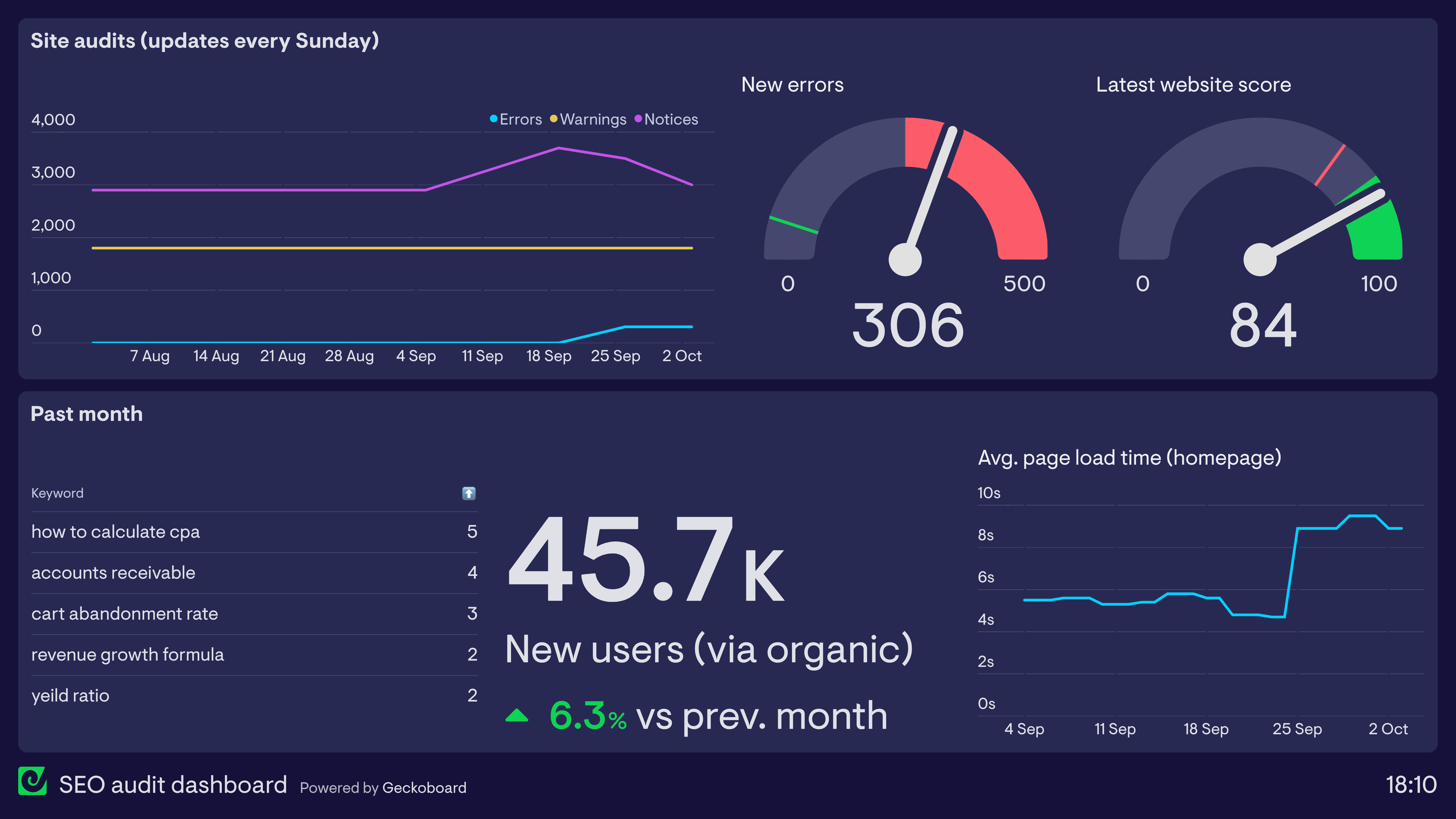
Set up Google Search Console and Google Analytics so you can see which searches actually bring people to your site, where you rank, and which pages people leave from quickly. Without tracking, you’re optimizing blind.
Why This Is Worth Getting Right and Why Many Businesses Hire It Out
Here’s the honest truth: every piece above is something you can do yourself, but doing it well takes real time and SEO doesn’t reward one-time effort. Google’s ranking factors shift constantly, competitors are optimizing too, and small technical mistakes (duplicate listings, broken schema markup, a slow-loading homepage) can quietly undo your progress without you ever noticing.
This is why many business owners eventually bring in an SEO or local search specialist not because they can’t understand the concepts, but because:
- A specialist can audit your current setup and find issues you wouldn’t catch (technical SEO problems are often invisible to non-experts).
- They stay current on Google’s algorithm changes, which shift multiple times a year.
- They can set up proper tracking and actually interpret the data.
- It frees you up to run your business instead of chasing search rankings.
If you’re just getting started, doing the basics above yourself is a great first step. But if you want consistent, compounding results especially in a competitive market hiring a specialist to manage your Google Business Profile, website SEO, and ongoing strategy is usually the fastest way to get there and stay there.
Quick recap:
- Fully optimize your Google Business Profile
- Build a fast, mobile-friendly, keyword-relevant website
- Keep your listings consistent across directories
- Actively collect and respond to reviews
- Track your performance
- Bring in a specialist when you’re ready to scale it up