
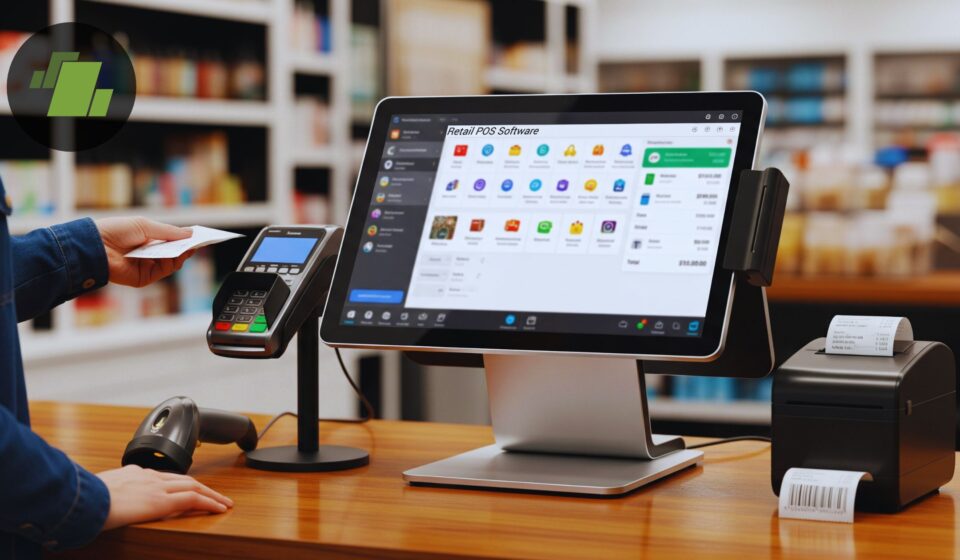

In today’s fast-paced business environment, managing sales, inventory, customer records, and financial reports manually can be time-consuming and prone to errors. Whether you run a retail shop, supermarket, pharmacy, school, restaurant, or wholesale business, a Point of Sale (POS) system can help streamline operations and improve efficiency.
What is a POS System?
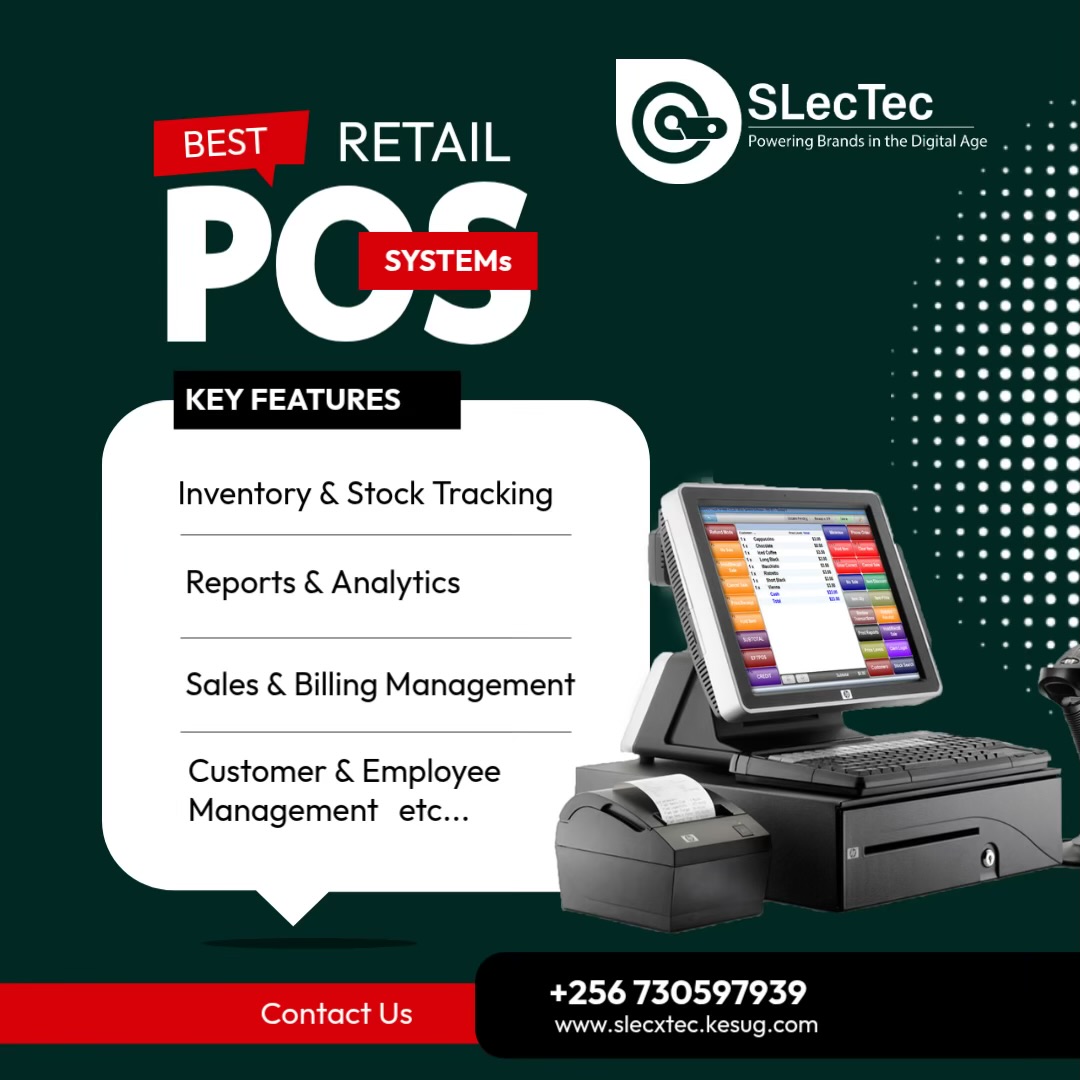
A Point of Sale (POS) system is a combination of hardware and software that allows businesses to process transactions, manage inventory, track sales, generate reports, and handle customer information from a centralized platform.
Modern POS systems do much more than simply record sales. They provide business owners with real-time insights that help them make informed decisions and grow their businesses.
Benefits of a POS System for Businesses
1. Faster and Accurate Sales Transactions
A POS system speeds up the checkout process by automatically calculating totals, discounts, taxes, and change. This reduces human errors and improves customer satisfaction.
2. Efficient Inventory Management
Keeping track of stock manually can be challenging. A POS system automatically updates inventory whenever a sale is made, helping business owners know what products are available and when to restock.
3. Detailed Sales Reports
Business owners can access daily, weekly, monthly, and annual sales reports with just a few clicks. These reports provide valuable insights into best-selling products, peak sales periods, and overall business performance.
4. Improved Financial Management
A POS system records all transactions digitally, making it easier to track income, expenses, profits, and losses. This simplifies accounting and tax preparation.
5. Better Customer Management
Many POS systems allow businesses to store customer information, purchase history, and contact details. This helps in building customer loyalty programs and delivering personalized services.
POS Systems for Different Types of Businesses
Retail Shops
Small and medium-sized retail shops benefit from POS systems by managing stock levels, tracking daily sales, and improving customer service.
Supermarkets
Supermarkets handle hundreds or thousands of products. A POS system helps manage inventory, process sales quickly, and reduce long queues at checkout counters.
Schools
Schools can use POS systems to manage school fees, cafeteria sales, library services, and student payment records efficiently.
Pharmacies
Pharmacies can track medicine inventory, monitor expiry dates, and maintain accurate sales records while ensuring compliance with regulations.
Restaurants and Cafés
Restaurant POS systems help manage orders, billing, kitchen operations, table reservations, and customer records.
Wholesale Businesses
Wholesalers can track bulk purchases, inventory levels, customer accounts, and payment histories more effectively.
Key Features to Look for in a POS System
When choosing a POS system, consider features such as:
- Inventory management
- Sales reporting and analytics
- Barcode scanning
- Customer management
- Multi-user access
- Receipt printing
- Cloud backup
- Mobile and remote access
- Financial reporting
- Integration with accounting software
Why Investing in a POS System is Worth It
A POS system is not just a sales tool it is a complete business management solution. It helps reduce operational costs, improve accuracy, save time, and provide valuable business insights.
Businesses that adopt modern POS technology are better positioned to compete, grow, and deliver excellent customer experiences.
So…
Whether you operate a shop, supermarket, school, pharmacy, restaurant, or wholesale business, a POS system can transform the way you manage your operations. By automating daily processes and providing real-time business data, a POS system enables smarter decision-making and improved efficiency.
Investing in the right POS system today can help your business become more organized, profitable, and ready for future growth.